Up To Date Information On Hearing First Hythe
This Article Refreshed | Fri, 7 Aug 2026 10:57
Waxfree Guarantee™: The only ear wax removal clinic in Hythe offering the Waxfree Guarantee™.
We are the only specialist microsuction ear wax removal clinic in Hythe offering Microsuction Earwax Removal and Manual Instrument Earwax Removal, delivered by our expert Audiologists. Every earwax removal practitioner is carefully selected by our founder, Jason Levy, because we want patients to feel they are in capable hands. In Hythe, that level of specialist focus is exactly what sets us apart.
Based conveniently in Hythe, Kent, we also welcome people from Saltwood, Seabrook, Palmarsh, Botolph's Bridge, St Mary's Bay, Romney Marsh, Newchurch, Folkestone, Sandgate, Pedlinge, Lympne, West Hythe, Dymchurch, Westenhanger, Beachborough, Stanford, Etchinghill, Postling, Sellindge, Burmarsh, Aldington, Bonnington, Bilsington, Stone Cross, Ruckinge, Mersham, The Forstal, Smeeth, Lilyvale, Brabourne Lees, Monks Horton, Broad Street, Newbarn, Stowting, Sixmile, Lymbridge Green, Bodsham, Newington, Arpinge, Frogholt, Peene, and other towns and villages across Kent.
Current Clinic Details and Ear Care Support for Hythe
Hearing First Hythe offers specialist ear wax removal for people in and around Hythe who need prompt, clinically considered help with blocked ears, reduced hearing, or that uncomfortable feeling of fullness in the ear canal. The clinic focuses on two recognised approaches, microsuction and manual instrument ear wax removal, both commonly used by audiologists when wax is visible and suitable for removal. If you are checking what the service involves, how appointments are handled, or what kind of care is available at the Hythe clinic, this page aims to explain things clearly and without fuss. It reflects a UK audiology setting, where safe triage, plain-spoken advice, and patient comfort matter as much as the treatment itself. For many people, the real questions are whether the service matches their symptoms, how soon they can be seen, and whether the clinician is properly qualified to assess the ear before any treatment starts.
What the Hythe Clinic Service Usually Includes
The core service is professional ear wax removal carried out by an audiologist, with attention to ear health, hearing clarity, and the reason behind the blockage. A sensible appointment typically begins with an inspection of the ear canal, then a conversation about symptoms such as muffled hearing, tinnitus, or pressure. If wax is confirmed as the issue, the clinician can decide whether microsuction or manual removal is the better fit. That choice matters, because every ear is different, and the safest method depends on the amount, location, and texture of the wax, as well as the condition of the ear canal and eardrum.
Microsuction and Manual Removal, Explained Simply
Microsuction is a well established method that removes ear wax under direct vision, often using a microscope or video magnification. It is widely appreciated because the clinician can see the ear canal clearly while working, which helps avoid unnecessary contact with delicate skin. Manual instrument removal, sometimes referred to as instrumentation, uses specialist tools to lift or extract wax when the shape and position of the wax make that practical. Both methods are familiar in audiology and can be very effective when matched to the right patient. People often ask which option is best, but there is no one-size-fits-all answer, because comfort, wax type, and ear anatomy all influence the decision. Dry, crumbly wax behaves differently from soft, sticky wax, and narrow canals may need a more measured approach. A qualified clinician should usually explain why a specific method is being recommended, what you might feel during treatment, and whether one ear or both ears need attention on the day.
Helpful Questions to Ask Before Booking
- Check whether the appointment starts with an ear examination, because that helps confirm whether wax is truly causing the symptoms and can also rule out other reasons for hearing change.
- Ask which methods are available, since microsuction, manual instruments, and combined approaches are not always suitable for every ear.
- Confirm whether the clinician is an audiologist, as specialist training in ear anatomy and hearing care can give extra reassurance about safety and suitability.
- Find out what happens if the wax cannot be removed on the day, because some ears need softening drops or a further visit.
- Ask about aftercare advice, especially if you are prone to irritation, recurrent wax build-up, or blockage linked to hearing aids.
When a More Careful Approach Is Best
Not every blocked ear should be treated straight away. If there is pain, discharge, recent surgery, a perforated eardrum, or a history of significant ear disease, the clinician may decide to pause and recommend medical review. That is not unnecessary delay, it is part of responsible audiological practice. Good ear care balances effective wax removal with sensible safeguarding, and that is particularly important for children, older adults, hearing aid users, and anyone with sensitive ear canals.
More Information
For more information and to learn how to book ear wax removal in Hythe, click here.
What to Expect at a Hearing First Hythe Appointment
Research Catalogue Results for Ear Wax Removal
- The auricular cough reflex: lateralization, prevalence, procedural determinants, and the role of examiner handedness. - van de Loo J, Mayer M, Sharaf K, Eckel H, Jansen L, Klussmann JP, Luers JC., 2026.
- High-definition otoscopic device for humanitarian mission: how i do it. - Lechien JR, Maniaci A, Kipsang MJ, Kibor M, Vaira LA., 2025.
- Use of Castor Oil in Dermatology: A Narrative Review. - Girdler K, Cabatu A, Olds H, Potts GA., 2026.
Source: Europe PMC. These are bibliographic matches, not personalised medical advice or an endorsement of a treatment.
A typical appointment is usually straightforward, though it should never feel hurried. You can expect a brief discussion about your symptoms, medical history, and any previous ear wax removal experiences. The clinician may also ask whether you use hearing aids, cotton buds, olive oil drops, or anything else that could affect wax build-up. After that, the ear canal is examined, often with a lighted scope, to check how much wax is present and whether removal is safe. If treatment goes ahead, microsuction may sound a little noisy, while manual tools are quieter but still precise. Many patients find the process manageable and welcome the chance to hear more clearly soon afterwards. It is also normal for the clinician to offer practical advice, such as how to reduce future build-up and when to return if blockage starts again. For people who deal with recurrent wax, regular checks can be more useful than waiting until hearing becomes heavily affected.
Signs That a Clinical Ear Check May Be Needed
- A blocked or pressure-like feeling in the ear canal, which can happen when wax compacts and reduces normal sound flow.
- Muffled hearing that develops gradually, especially if one ear seems worse than the other and voices begin to sound distant or dull.
- Difficulty hearing on the telephone, watching television, or following conversation in quiet rooms, even when sound levels seem normal.
- Unexpected feedback or whistling from hearing aids, often linked to wax affecting the fit or microphone function.
- Itchiness or mild discomfort in the ear, particularly if you have tried to clean it yourself and may have pushed wax further in.
Aftercare Worth Keeping in Mind
After ear wax removal, some people notice an immediate improvement in hearing, while others experience brief sensitivity or a short-lived awareness of the ear canal. That normally settles quickly. To protect the ear, avoid inserting cotton buds or other objects, and follow any personalised guidance the audiologist gives you. If you use hearing aids, you may need to check the fit and cleanliness of the domes or moulds more often, because wax can build up again quite easily. A sensible aftercare routine supports long-term ear health and can help reduce repeated blockage.
First 24 Hours, in Brief
If you are advised to do so, keep the ear dry, watch for unusual pain or discharge, and contact a clinician if symptoms do not settle as expected. A little awareness is normal, but ongoing discomfort is not something to brush off.
Comfortable Ear Wax Removal Led by an Audiologist Nearby
Your ears and hearing are delicate, and their care should be handled by someone with the right expertise. Some providers delegate ear wax removal to lay people, treating it as a routine task. However, we believe it calls for the skill and judgement of a trained Audiologist.
At our clinic, only qualified Audiologists carry out ear wax removal, so your ears are looked after by a specialist with detailed knowledge of ear anatomy and physiology. That helps minimise the risk of injury and supports a safe, effective procedure shaped around your needs. Your hearing is too important to leave to chance, and we are committed to delivering a high standard of care.
Hearing First Hythe – Microsuction Ear Wax Removal Hythe Tn34 Map
Audiologist-Led Ear Wax Care in Hythe
Choosing ear wax removal from an Audiologist can offer extra reassurance when you are dealing with a blocked-ear sensation or changes in hearing. The clinic makes clear that ear care involves delicate structures, so a specialist-led approach can help you feel more confident before your appointment.
At Hearing First Hythe, ear wax removal is carried out by qualified Audiologists rather than handed over to non-specialist staff. Their understanding of ear anatomy and physiology supports a careful assessment of your individual circumstances, with the visit shaped around your needs and comfort throughout.
If wax build-up is affecting your day-to-day hearing, it may be worth arranging a consultation and discussing the most suitable removal method. Microsuction and manual instrument techniques are available, and you can ask any questions about the process, suitability, or what to expect before you decide to proceed.
What Influences Ear Wax Removal Fees and Overall Value
Published Payment Methods
- Credit cards
- Debit cards
- Contactless or NFC payments
Payment information may change. Confirm prices, insurance eligibility and accepted methods directly with the provider. Place attributes are provided by Google Maps.
When people compare ear wax removal services in Hythe, price is only one part of the picture. Real value comes from clinical skill, the quality of assessment, and whether the practitioner can choose the safest method for your ear. Costs may change depending on whether one ear or both ears need treatment, how complex the wax removal is, and whether you attend at a standard or peak time. Some clinics also base fees on appointment length or whether a repeat visit is required. It is best to have the price explained clearly before treatment, along with anything that might alter the final amount. That way, you can make an informed choice and avoid surprises on the day. A lower fee is not always better if the appointment lacks proper examination or if the clinician is not trained to manage more delicate cases. In audiology, safe technique and sound judgement are part of what you are paying for.
What Can Affect the Final Appointment Fee
- The amount and position of the wax, because deep, impacted, or sticky wax can take longer to assess and remove safely.
- Whether the appointment is for one ear or both ears, since more time and more clinical handling may be needed when both sides are affected.
- The time of day or booking window, as some clinics vary fees for busier appointment slots or short-notice availability.
- Whether the clinic requires pre-softening drops or a follow-up visit, which can affect the overall treatment pathway and cost.
- Any extra support needed for hearing aid users or patients with complex ear histories, which may justify a longer consultation.
How to Compare Services Fairly
It makes sense to compare like with like. A proper comparison should include the clinician's qualification, the removal methods offered, the thoroughness of the ear examination, and the clarity of aftercare advice. If one fee looks much lower, check whether the appointment is actually the same type of service. In ear care, a well assessed appointment can save time, reduce risk, and deliver better results than a cut-price option with limited clinical oversight.
A Practical Budgeting Tip
If you are likely to need wax removal more than once a year, ask whether the clinic gives clear pricing for repeat visits. Knowing the likely cost in advance makes planning easier and helps you avoid leaving symptoms to worsen.
Services We Offer Are:
- Manual Instrument Ear Wax Removal
- Microsuction Ear Wax Removal
Hythe: Hearing First Microsuction Ear Wax Removal Hythe
Hythe CT21 5JU
Phone: 01303 610199
URL: https://www.hearingfirst.co.uk/book-ear-wax-removal-near-me/book-microsuction-ear-wax-removal-hythe/
View Hythe: Hearing First Microsuction Ear Wax Removal Hythe on Google Maps.
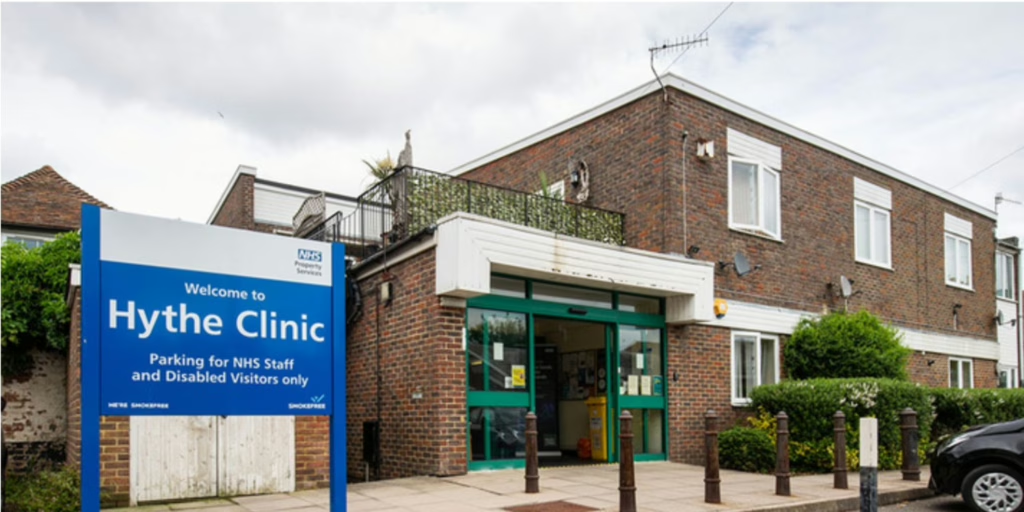
Professional ear wax removal Hythe Audiologists. Conveniently located at Hythe Clinic on Sun Lane, with free disabled parking on site. We are the only ear wax removal clinic in Hythe that offers The Hearing First Waxfree Guarantee™, so if you have a blocked ear, visit our ear wax removal Hythe clinic. We really are the ear wax removal experts in Hythe.
Why a Qualified Audiologist Matters for Ear Wax Removal
Ear wax removal may sound simple, but the ear canal is sensitive and the wrong approach can cause pain, irritation, or, in rare cases, injury. That is why many patients prefer treatment from a qualified audiologist rather than a general practitioner clinic or a provider without specialist ear care training. Audiologists work with hearing, ear anatomy, and balance-related symptoms every day, so they are well placed to judge whether wax is truly behind reduced hearing. They can also notice signs that point to something else, such as infection, eardrum issues, or skin changes in the ear canal. That level of assessment matters, because not every blocked ear is caused by wax alone. A careful clinician will explain the findings clearly, recommend the most suitable next step, and avoid treatment if it would not be appropriate. For people in Hythe and the surrounding area, that reassurance can make a real difference, especially if they have had uncomfortable experiences elsewhere or feel anxious about the procedure.
Signs of a Well-Run Clinic
- There is a proper ear examination first, rather than a quick assumption that wax is the problem without checking the canal and eardrum.
- You are given realistic expectations about comfort, results, and whether a second appointment may be needed for stubborn blockage.
- Qualified audiologists carry out the treatment and explain what they are seeing before they begin, which helps you understand the decision-making process.
- The clinic offers more than one removal method, allowing the clinician to choose the most suitable option for the ear in front of them.
- Aftercare is practical and specific, covering hearing aid use, ear hygiene, and signs that warrant follow-up.
Safety Comes First When Symptoms Are Not Typical
If your symptoms include severe pain, sudden hearing loss, dizziness, or fluid from the ear, ear wax removal may not be the right first step. In that situation, the safest course is to seek medical assessment. Responsible audiology practice does not treat every case in the same way, and that is a strength rather than a limitation. It means the service is guided by professional judgement, not routine alone.
How Much Does Ear Wax Removal in Hythe Cost?
Ear wax removal in Hythe starts at £34. Pricing can vary if it is for one or two ears, at peak or off-peak times, and how far in advance the booking is made.
21 Interesting Facts About Hythe
- One of the Original Cinque Ports
Hythe was one of the original five Cinque Ports established for military and trade purposes in medieval England, providing ships and men to the Crown. - Home to the Famous Romney, Hythe & Dymchurch Railway
This one-third scale steam railway has run since 1927 and stretches from Hythe to Dungeness, offering a unique and scenic ride along the coast. - St Leonard’s Church Has an Ossuary
St Leonard’s Church in Hythe contains one of only two known ossuaries (bone stores) in the UK, with over 2,000 skulls and 8,000 thigh bones stacked along the crypt. - Ear Wax Removal In Hythe
The very best ear wax removal in Hythe is now available at Hearing First Hythe at Hythe Clinic. Click here to book ear wax removal in Hythe now! - Hythe Means “Haven” or “Landing Place”
The name Hythe comes from the Old English word “Hǣþ,” meaning a safe landing place for boats, reflecting its coastal and trading heritage. - Royal Military Canal Runs Through It
This defensive canal was built during the Napoleonic Wars to protect England from invasion and now serves as a peaceful walking and boating route. - Hythe Used to Have a Harbour
Centuries ago, Hythe had a busy harbour. Due to silting, the sea retreated, and the harbour disappeared — changing the town’s maritime role. - A Hotspot for Smuggling in the 18th Century
Hythe was a known smuggling centre, with contraband goods such as brandy and silk secretly brought ashore and hidden in cellars and tunnels. - Visited by Charles Dickens
Charles Dickens visited Hythe and praised its peaceful character and seafront walks in his travel writings and personal letters. - Hythe Was a Parliamentary Borough
Until 1950, Hythe had its own Member of Parliament despite being a relatively small town, a relic of its Cinque Port status. - Hythe Imperial Hotel History
This grand Victorian hotel once hosted royalty and high society guests, and it remains a historic landmark with views of the English Channel. - Training Ground for British Army Officers
Hythe was once home to a School of Musketry (now the Small Arms School Corps), training soldiers in the use of rifles and marksmanship. - Views of France on Clear Days
On a clear day, you can see across the English Channel to the French coast from Hythe’s seafront promenade. - Hythe Green Was Once a Market Site
The central green was used for markets and fairs in medieval times and is still a public space used for community events today. - WWII Defences Still Visible
Pillboxes and anti-tank obstacles from World War II remain visible around Hythe, part of England’s coastal defence system. - Home to a Vibrant Art Scene
In recent years, Hythe has become home to artists, galleries and studios, adding creative vibrancy to this historic town. - Known for Its Victorian and Edwardian Architecture
Hythe’s streets feature beautiful buildings from the 19th and early 20th centuries, reflecting its heyday as a seaside retreat. - Hythe Festival Celebrates Local Culture
This annual event showcases music, theatre, art and heritage, drawing locals and visitors to celebrate the town’s creativity and history. - Home to One of Kent’s Oldest Golf Courses
Founded in 1887, Sene Valley Golf Club overlooks the Channel and offers spectacular views along with historic fairways. - Hythe Town Hall Has a Georgian Facade
The elegant town hall dates from 1794 and remains the centre of civic life, with a striking Georgian design and central location. - Popular with Walkers and Cyclists
Hythe is at the start of the scenic Saxon Shore Way and offers a wide network of trails along the canal, countryside and coast.
Ear Wax Build-Up, Hearing Aids, and Recurring Blockage
People who wear hearing aids often discover that wax becomes a repeat problem. Ear moulds, domes, and daily insertion can sometimes encourage wax to move deeper into the canal, while the device itself may make blockage easier to notice because sound quality starts to drop. If you use hearing aids and your hearing seems weaker than usual, the cause may be wax rather than a fault with the device. A proper ear check can help separate the two. Recurrent build-up is common, especially in older adults, people with narrow canals, and anyone who naturally produces dry or heavy wax. The good news is that a sensible care plan can reduce the disruption. That may include occasional reviews, careful cleaning of hearing aid parts, and clear advice about when to seek help. Rather than waiting until hearing is badly affected, many people benefit from being proactive, particularly if they rely on hearing aids for work, family life, or social confidence. Acting early usually makes the appointment quicker and more comfortable.
Everyday Habits That Can Worsen Wax Problems
- Overcleaning the outer ear may irritate the canal skin, which can lead to soreness and make treatment less comfortable.
- Using cotton buds inside the ear can push wax deeper and make the blockage harder to remove at a later appointment.
- Ignoring changes in hearing for weeks can allow wax to compact, especially if you already wear hearing aids or earphones regularly.
- Trying home remedies that are not suitable for your ear history can sometimes delay proper care and obscure the true cause of the symptoms.
- Missing routine hearing checks means wax build-up may only be noticed when communication has already become difficult.
A Helpful Reminder for Hearing Aid Users
If your device starts whistling, sounding quieter, or fitting differently, do not assume the aid has failed. Ear wax can be the simplest explanation, and a clinical inspection may quickly confirm it.
What to Do Next
Arrange an assessment if the change continues, especially if both the device and your hearing feel different at the same time. That approach saves time and can prevent avoidable frustration.