Health Directory | Hearing Aid Coupons
Listing Updated | Wed, 14 Oct 2026 08:50
Trusted Ear Care Clinics and Coupon Savings Across the UK
Discover practical, clinic-led guidance for private microsuction ear wax removal, manual instrument removal, and hearing care appointments in a straightforward directory format. This page brings together trusted providers in areas such as Ashford, Barnet, Cambridge, Colindale, Ealing, Enfield, Hastings, Reading, St Albans, Watford, and Welwyn Garden City, so you can compare options quickly and with confidence. If you are searching for hearing aid coupons, ear wax removal offers, or a nearby audiologist, the goal is to help you make a better-informed choice without wasting time on vague listings. Every clinic entry should be checked for the service offered, accessibility, parking, and whether the appointment suits your needs. That matters because ear care is never one-size-fits-all, and private treatment can differ from provider to provider. Clear details support safer decisions and better appointment planning.
What This Directory Is For
This directory is built for people who want direct access to hearing health services, especially when impacted ear wax is affecting comfort, hearing clarity, or hearing aid performance. In British English, you may see microsuction, earwax removal, or audiology clinic used across listings, but the aim is the same, to help you find a suitable provider. Using a directory like this can be especially helpful if you need a ground-floor clinic, wheelchair access, nearby parking, or a location close to public transport. It also supports people comparing private treatment options before booking. Where offers or coupons are available, read them carefully, with attention to the exact service included, any eligibility rules, and whether follow-up care is part of the deal.
How to Compare Hearing Aid Coupons with Clinic Services
A coupon is only worthwhile if it matches the appointment you actually need. For ear wax removal, a real saving should be weighed against the clinic's method, practitioner qualifications, and what happens during the consultation. A lower price on paper may be less helpful if the provider does not offer microsuction, cannot manage complex cases, or has limited appointment availability. It is also sensible to check whether the service includes both ears, an otoscopy assessment, or advice for hearing aid wearers. Clinics with audiologists or experienced ear care practitioners may be better placed to identify when wax is causing blocked hearing, versus when further assessment is needed. That is especially important for anyone with recurring ear fullness, tinnitus, or changes in hearing.
What a Good Offer Should Include
A clear offer should state the service name, whether the appointment is for one ear or both ears, and whether there are any restrictions on using the coupon. It should also show if the clinic provides private microsuction, manual instrument removal, or both. The best listings are specific about the patient journey, from initial examination through to aftercare advice. If a coupon is tied to a hearing test, wax removal review, or hearing aid adjustment, make sure that fits your needs. Avoid assuming that every voucher covers the same treatment, because ear care clinics often structure services differently. A precise offer saves time and reduces the risk of unexpected costs.
Questions to Ask Before Booking
Ask whether the coupon can be used on your preferred day, whether both ears are included, and whether the clinic uses an audiologist or another trained practitioner. It is also wise to ask about contraindications, especially if you have ear pain, a recent infection, concerns about a perforated eardrum, or a surgery history. Good providers will explain whether microsuction is suitable or whether they recommend a different approach. If the clinic appears in a health directory, check the description rather than relying only on the offer headline. That extra step helps you choose a safe, transparent appointment.
Clinic Access, Parking, and Step-Free Entry Matter
When people search for ear wax removal near them, convenience often becomes just as important as the treatment itself. A clinic may be clinically sound, yet if it is hard to find, lacks step-free access, or has limited parking, the appointment can become stressful before it begins. This directory includes providers in places with varied access details, such as ground-floor treatment rooms, disabled parking, wheelchair lifts, and links to station-adjacent premises. Those practical features are especially useful for older adults, people with mobility needs, and anyone attending while feeling uncomfortable because of blocked ears. In a private healthcare setting, the quality of access information can be as valuable as the treatment description.
Accessibility Details to Check First
- Check whether disabled parking is available directly outside or in a nearby car park, because shorter walking distances can make the entire visit easier.
- Look for ground-floor clinics, lift access, or clear step-free routes, especially if you use a wheelchair, walking aid, or pushchair and need a calm arrival.
- Review public transport links if you are travelling by train or bus, as station-adjacent clinics can be simpler to reach without driving.
- Ask whether the provider offers a waiting area, reception support, or clear signage, since this can reduce confusion on the day of the appointment.
- Confirm whether the treatment room is on the ground floor, because that can matter for comfort, safety, and faster access when hearing feels blocked.
Why Access Affects the Patient Experience
Access is not only about convenience, it also influences confidence and punctuality. Someone already dealing with muffled hearing or pressure in the ears may find a complicated route tiring and frustrating. A well-described clinic helps the patient plan parking, arrival time, and escort needs. If you are visiting because of a hearing aid issue, being able to enter the building quickly and find the practice without stress can improve the whole experience. That is why practical clinic details deserve attention in any health directory or coupon listing.
Microsuction and Manual Ear Wax Removal Explained Clearly
Ear wax removal is not a cosmetic service, it is a clinical procedure that should be carried out by trained professionals using suitable equipment and careful judgement. The most common private method is microsuction, which uses gentle suction to remove wax under direct visual guidance. Some clinics also offer manual instrument ear wax removal, which can be effective in selected cases. Both methods are used within audiology and ear care settings, but the right choice depends on the patient's ears, the amount and type of wax, and any medical history that may affect suitability. A proper assessment should come first, because not all blocked ears are caused by wax alone.
Choosing the Right Treatment Route
Microsuction is often preferred because the practitioner can see the ear canal clearly during treatment. That can help reduce the need for irrigation and may suit people who want a fast, private appointment. Manual removal may also be appropriate where wax is close to the outer part of the canal or where the provider judges it to be the safer option. The best clinics explain the method before treatment begins, ask about symptoms, and check for signs that a different approach is needed. This is where a directory becomes useful, because it lets you compare service descriptions instead of booking blindly.
When to Delay Treatment
Do not book wax removal without clinical advice if you have ear pain, discharge, a recent ear infection, or a known eardrum problem. A responsible provider will screen for these issues and may suggest a GP or ENT assessment instead. That is part of good ear health care, not a refusal of service. If you wear hearing aids, a blocked canal can affect sound quality and feedback, but treatment should still be based on clinical suitability. Safe private care begins with proper assessment, not speed alone.
A Small but Important Tip
Bring a list of your symptoms, including how long your hearing has felt reduced and whether one ear is worse than the other. This can help the practitioner decide whether wax is the main issue or whether further investigation is needed.
Why People with Hearing Aids Often Need Ear Wax Support
Hearing aid users are more likely to notice the effects of wax build-up, because even a small blockage can reduce sound clarity or create feedback. If you wear behind-the-ear or in-the-ear devices, ear wax can interfere with fit, comfort, and the performance of the aid. That is why many people search for hearing aid coupons alongside ear wax removal services, as they are looking for affordable, practical support rather than a generic healthcare offer. A clinic that understands hearing technology can give more useful advice, especially if your devices need checking after treatment or if you have a history of recurrent wax.
Common Reasons Hearing Aid Wearers Book Privately
- Some people need prompt treatment before a hearing aid fitting, repair, or replacement appointment, particularly when speech understanding has worsened.
- Wax can alter the acoustic seal in the ear canal, which may cause whistling, muffled sound, or a sudden drop in perceived volume.
- Audiology-led providers may check whether the hearing aid itself needs adjustment after wax removal, which can improve comfort and sound quality.
- People with recurrent wax often benefit from advice on maintenance, follow-up intervals, and when to seek reassessment if symptoms return.
- Private clinics may offer faster access than routine routes, which can be helpful if you rely on your hearing aids every day for work or family life.
Helpful Aftercare for Hearing Aid Users
After treatment, it is sensible to clean your hearing aids as advised by the manufacturer or audiology team, then check whether the fit feels different. If sound suddenly seems much louder or sharper, that can be normal after the blockage has been cleared. If discomfort, dizziness, or pain occurs, contact the clinic for guidance. Good aftercare reduces repeat problems and helps protect both your ears and your devices.
Searching by Place Can Make the Right Clinic Easier to Find
This directory covers a wide range of locations, from London boroughs such as Barnet, Ealing, Enfield, Finchley, Colindale, Hendon, East Finchley, Muswell Hill, Edgware, Mill Hill, and Watford, to towns including Ashford, Cambridge, Hastings, Hythe, Kingston, Milton Keynes, Oxford, Reading, St Albans, Surbiton, and Welwyn Garden City. That breadth matters because local access is often the deciding factor for someone who needs fast ear care. People do not always want to travel far for a short clinical procedure, especially if the ears feel blocked, hearing is reduced, or a hearing aid is not performing well. A location-based search can help you find a clinic with the right balance of distance, availability, and practical access.
How Locality Helps with Booking Decisions
Looking at nearby clinics can make it easier to compare parking, train access, and appointment flexibility. It can also help if you need a provider who is familiar with patients from your area, although the most important factor is still the quality of the service itself. A location entry should ideally tell you what kind of ear care is offered, who carries out treatment, and how to reach the premises. If you are choosing between several nearby options, the clearest listing is often the most useful one. That is true whether you are seeking a simple wax removal appointment or a hearing health follow-up.
Travel Planning for Short Appointments
Even a brief visit can take more time than expected if you are parking, using public transport, or navigating a new building. It is sensible to allow a little extra time, especially for first appointments. If the clinic is inside a pharmacy, health centre, spa, or therapy space, check the building name before you travel. That small step can save confusion and help you arrive relaxed.
What to Look for in a Trustworthy Clinic Listing
Not every online listing gives enough detail to support a safe booking choice. A trustworthy clinic page should name the treatment clearly, explain who provides it, and offer practical information such as access, parking, and the type of setting. Strong listings also distinguish between ear wax removal and general hearing services, so patients know what they are booking. In a health directory, that clarity is essential because people may be comparing several clinics in one sitting. If the page is vague, rushed, or overloaded with sales language, it can be harder to judge whether the clinic is suitable. Transparency builds confidence and supports better healthcare decisions.
Signals of a Reliable Provider
- Information about the practitioner, for example audiologist-led treatment or trained ear care staff, which helps show clinical credibility.
- Clear service naming, such as microsuction ear wax removal, manual instrument removal, or audiology-led ear care, so the patient knows what is being offered before booking.
- Transparent location guidance, including nearby landmarks or transport links, so the patient can plan the journey without guesswork.
- Accessible venue details, including ground-floor access, disabled parking, or lift availability, because practical access affects real-world use.
- Reasonable claims and a balanced tone, because genuine providers explain benefits without overpromising results or dismissing clinical screening.
- Aftercare advice or a clear explanation of what happens after treatment, which suggests the provider takes ongoing patient care seriously.
Why Balance Matters in Online Health Pages
A good clinic listing should help, not pressure. If a page focuses only on speed or price, you may miss important safety or suitability details. Balanced information lets patients think about comfort, clinical method, location, and follow-up support in one place. That approach is especially useful for ear health, where the wrong treatment choice can cause delay or inconvenience. A reliable listing respects the patient’s need to decide calmly and clearly.
Micro-Guideline for Quick Checks
Before booking, scan for the service method, venue access, and whether the provider explains who will carry out the treatment. Those three details often tell you more than any headline offer.
Understanding Coupons, Discounts, and Private Ear Care Value
Coupons can make private ear wax removal more approachable, but value is about more than the headline price. The best private healthcare choice balances cost, speed, practitioner skill, and clarity of service. A small discount can be worthwhile if it gets you a timely appointment with a trusted clinic, especially if blocked ears are affecting work, sleep, or hearing aid use. However, it is still important to read the terms carefully. Some offers may apply only to a first visit, a single ear, or a specific type of treatment. Others may not include consultation time or follow-up support. When used well, a coupon can make private care more accessible without reducing standards.
How to Judge Real Value
Compare the coupon with the clinic description and ask what the appointment includes. If one clinic charges slightly more but offers audiologist assessment, ground-floor access, and clearer aftercare, it may be better value than a cheaper option with limited detail. Value also depends on convenience. A nearby clinic with easy parking or station access may save time and stress, which matters in practical terms. If you use hearing aids, check whether the provider understands device-related wax issues, because that knowledge can save repeat appointments. In health care, value should include safety, convenience, and confidence, not just price.
When a Low Price Is Not Enough
If a deal feels unclear, pause and read the clinic page again. A low price should not hide limited information about who provides treatment, what method is used, or whether both ears are included. Good providers make their offer easy to understand. That transparency is a sign that the clinic values informed consent and patient trust.
Why Reviews and Professional Standards Should Guide Your Choice
Reviews can be useful, but they should sit alongside clinical facts, not replace them. A string of positive comments about friendliness or speed is reassuring, yet the more important question is whether the clinic is professionally run and suitable for your needs. In ear health, practitioner training, assessment process, and hygiene standards matter as much as convenience. If a listing mentions audiologists, microsuction, manual instrument removal, or a long-established hearing care service, those details deserve attention. The aim is to choose a clinic that combines good patient experience with sound clinical judgement.
How to Read Reviews Wisely
- Look for repeated praise about accessibility, punctuality, and clear communication, because those themes usually reflect consistent service rather than a one-off lucky visit.
- Focus on comments about assessment quality, explanation of treatment, and whether the practitioner took time to check the ears properly before starting.
- Use reviews to complement factual details, such as treatment method and venue access, rather than treating star ratings as the only measure of quality.
- Be cautious if reviews mention rushed appointments, unexpected charges, or poor aftercare, as these can reveal how a clinic operates in practice.
- Remember that every patient’s ears are different, so a good review does not guarantee the same outcome for a different case or symptom pattern.
What Professional Care Looks Like
A professional provider should explain the procedure, screen for contraindications, and stop if the ear is too inflamed or the wax is not suitable for removal that day. They should also give basic aftercare guidance and tell you when to return or seek further help. That kind of care builds trust and supports better hearing outcomes.
Practical Caution
If anything in the listing feels vague, do not assume it will be sorted on arrival. A careful booking decision starts with clear information, not a hopeful guess.
When to Seek Ear Wax Removal and When to Ask for Medical Advice
Blocked ears often feel minor at first, but symptoms can affect hearing, balance, and day-to-day comfort. Common signs include muffled hearing, fullness, popping sounds, reduced hearing aid performance, or mild tinnitus. These symptoms can be caused by wax, but they can also overlap with other ear problems, which is why a proper assessment matters. A reputable clinic will not treat every case the same way. Instead, it will look at the ear canal, ask about symptoms, and decide whether microsuction or another route is appropriate. If the problem is not straightforward, medical advice from a GP or ENT specialist may be more suitable than a routine wax appointment.
Symptoms That Deserve Quick Attention
- Sudden hearing loss, especially if it happens in one ear, needs prompt medical assessment and should not be assumed to be simple wax.
- Ear discharge, bleeding, or significant pain can indicate infection or injury, so the ear should be reviewed before any removal attempt.
- Persistent dizziness or severe balance problems may point to a different issue, which means wax removal alone may not solve the problem.
- Recent ear surgery, a known perforated eardrum, or repeated ear infections may change what treatment is safe and appropriate.
- Symptoms that keep returning soon after treatment may suggest an underlying pattern that needs clinical advice and not just another quick clean.
How a Clinic Should Respond
A careful provider will explain when treatment is suitable and when it is not. That honesty protects patients from avoidable harm. If you are unsure, it is better to ask questions before booking than to assume every blocked ear can be treated in the same way. Good ear care starts with judgement, not speed.
Find your ideal health clinic with our list of trusted clinic providers:

Ashford: Private Microsuction Ear Wax Removal in Ashford Tn24

Barnet: Private Microsuction Ear Wax Removal in Barnet En5
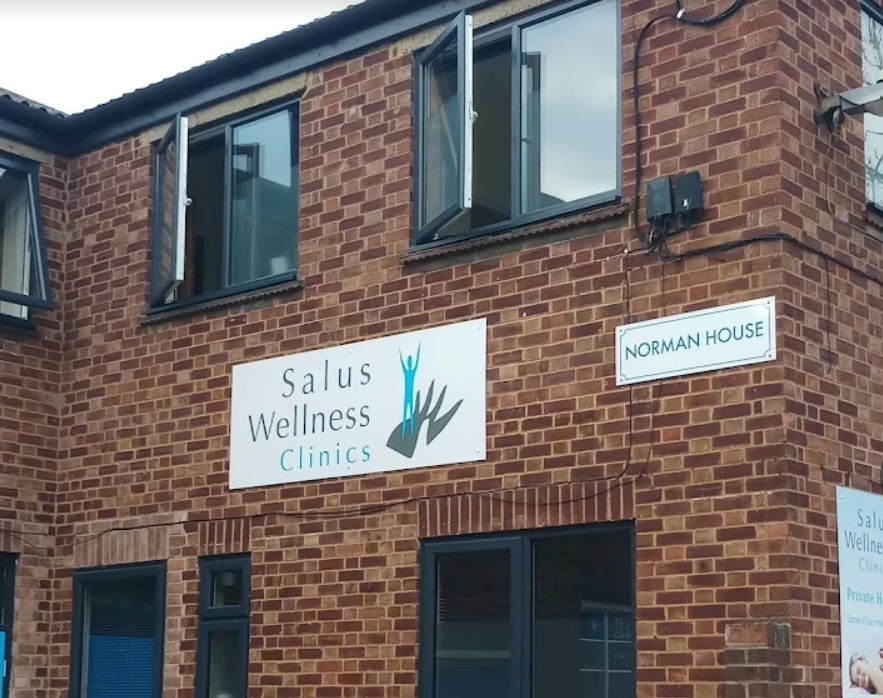
Cambridge: Private Microsuction Ear Wax Removal in Cambridge Cb2

Colindale: Private Microsuction Ear Wax Removal in North West London Nw4
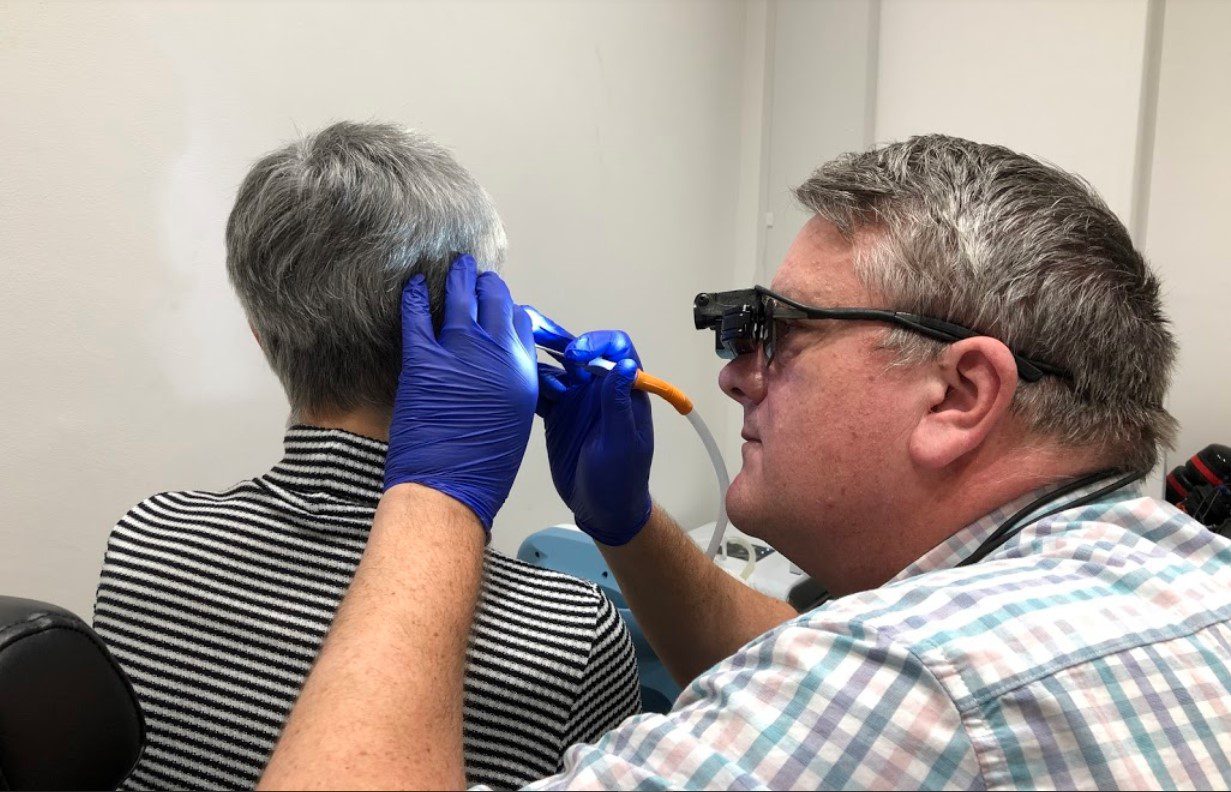
Ealing: Private Microsuction Ear Wax Removal in Ealing W5

East Finchley: Private Microsuction Ear Wax Removal in East Finchley N2
Edgware: Private Microsuction Ear Wax Removal in North London Nw4

Enfield: Private Microsuction Ear Wax Removal in Enfield En1
Finchley: Private Microsuction Ear Wax Removal in Finchley North London
Hastings: Private Microsuction Ear Wax Removal in Hastings Tn34
Hendon: Private Microsuction Ear Wax Removal in North West London Nw4
Hythe: Private Microsuction Ear Wax Removal in Hythe Ct21
Kingston: Private Microsuction Ear Wax Removal in Kingston-Upon-Thames Kt6
Mill Hill: Private Microsuction Ear Wax Removal in North West London Nw4

Milton Keynes: Private Microsuction Ear Wax Removal Mk in Bucks Mk2

Muswell Hill: Private Microsuction Ear Wax Removal in Muswell Hill N2

Oxford: Private Microsuction Ear Wax Removal in Oxford Ox2
Reading: Private Microsuction Ear Wax Removal in Reading Rg30

St Albans – Private Microsuction Ear Wax Removal in St Albans Al1
Surbiton: Private Microsuction Ear Wax Removal in Surbiton Kt6

Watford: Private Microsuction Ear Wax Removal in Watford Wd3

Welwyn Garden City: Private Microsuction Ear Wax Removal in Welwyn Al8
Using the Directory to Shortlist the Right Clinic
A useful health directory does more than list names. It helps you compare location, access, treatment method, and the practical details that influence whether a booking will work for you. If you are looking for hearing aid coupons, this kind of page can help you narrow the field before you commit to an appointment. Start by checking whether the clinic offers microsuction, manual removal, or a broader audiology service. Then look at access features, parking, and travel links. After that, consider whether the service sounds suitable for your symptoms, your ear health history, and your schedule. A short, focused shortlist usually makes booking easier and lowers the chance of a poor fit.
A Simple Way to Compare Options
- Choose clinics that clearly name the treatment you need, because broad or vague wording can hide important differences in service.
- Prioritise locations that fit your travel needs, especially if you need parking, station access, or step-free entry for comfort and ease.
- Check whether the provider appears to offer audiology expertise, as this can help if hearing aids or recurring wax are part of the picture.
- Look for concise but complete listing details, since strong pages usually show care, transparency, and an understanding of patient concerns.
- Make sure the coupon or offer matches the exact appointment type, because a discount is only useful when it applies to the treatment you actually want.
- Keep an eye on aftercare and follow-up information, as good clinics explain what happens after the wax has been removed.
Final Booking Check
Before you confirm, re-read the service name, the location, and the access notes. That simple habit can prevent confusion and help you choose a clinic that suits both your ear health needs and your day-to-day routine.